💥 CrowdStrike Outage: The $10 Billion Mistake That Crashed the World
🔍 What Really Happened in the July 2024 CrowdStrike Falcon Update Failure
On July 19, 2024, millions of Windows computers around the world suddenly displayed the dreaded Blue Screen of Death (BSOD) 💙💀. Airports shut down ✈️❌, hospitals couldn’t access patient records 🏥📋, banks froze transactions 🏦🚫, and emergency services went offline 🚨📞. The culprit? A single faulty update from CrowdStrike, a cybersecurity company most people had never heard of before 😱
In this post, we’ll break down what happened, why it happened, and what it means for the future of cybersecurity and enterprise software 🛡️🔮.
⚠️ What Is CrowdStrike?
CrowdStrike is a cybersecurity company founded in 2011 that provides endpoint protection for millions of computers worldwide 🌐. Their flagship product, Falcon 🦅, runs at the kernel level (the deepest part of the operating system) on Windows machines to detect and prevent malware and cyber attacks 🦠🚫.
Because Falcon operates at such a low level in the system, it has extraordinary privileges 🔑. This makes it incredibly powerful for stopping sophisticated threats, but also incredibly dangerous if something goes wrong 💣. For a deeper dive into system-level software, check out my post on working with NVIDIA Jetson development kits 🖥️.
💥 What Went Wrong?
On July 19, 2024, CrowdStrike pushed a “channel file” update to millions of Windows systems 🔄. This routine update was meant to improve threat detection 🎯. Instead, it contained a bug 🐛 that caused Windows systems to crash immediately upon receiving it 💻💥.
The technical cause? A NULL pointer dereference in C++ code 🔧. In simple terms, the update tried to access memory that didn’t exist 🧠❌, causing the entire operating system to panic and crash 🚨. Because Falcon runs at the kernel level, this crash brought down the entire system – not just the security software.
Here are some of the key technical insights from experts analyzing the incident:

📸 The infamous Blue Screen of Death appeared on millions of computers worldwide
🌍 The Global Impact
The CrowdStrike outage was one of the largest IT failures in history 📊. Here’s what was affected:
- ✈️ Airlines: Over 2,500 flights canceled worldwide. Delta Airlines alone canceled 1,200+ flights 🛫❌
- 🏥 Healthcare: Hospitals in the US, Canada, and UK couldn’t access electronic health records 🏥📋❌
- 🏦 Financial Services: Banks and trading platforms froze, preventing transactions 💳🚫
- 🚨 Emergency Services: 911 call centers went offline in some regions 📞🚨
- 📺 Media: Major broadcasters like Sky News and CBBC went off the air 📡🚫
The financial damage? Estimates put the cost at over $10 billion 💰💰💰 in lost productivity and recovery efforts. For comparison, this dwarfs most major cyberattacks, even though it was completely accidental.
🔧 The Technical Breakdown
Here’s a deeper look at the technical cause, courtesy of cybersecurity researchers:
The issue was in a file called C-00000291-...sys 📄. This file contained malformed configuration data that caused the Falcon sensor to read beyond the allocated memory buffer 🧠➡️. When the sensor tried to process this data, it triggered the NULL pointer dereference mentioned earlier 🎯.
What makes this particularly embarrassing for CrowdStrike is that this type of bug is preventable with proper testing 🧪. The idea that a Fortune 500 cybersecurity company pushed untested code to millions of production machines is mind-boggling 🤯. Speaking of testing, I recently wrote about catching suspicious activity on my own VPS 🔍 – a much smaller scale but similar theme of IT vigilance.
🔒 Lessons Learned
The CrowdStrike outage taught us several critical lessons about enterprise software and cybersecurity:
🧪 1. Test, Test, Test
Any update pushed to millions of machines should go through extensive testing 🧪🔬. This wasn’t a sophisticated attack – it was a basic coding error that proper QA should have caught 🕵️.
🎯 2. Kernel-Level Software Is Dangerous
Software that runs at the kernel level has enormous power ⚡. When it works, it provides unmatched security 🛡️. When it fails, it brings down the entire system 💣.
🏢 3. Single Points of Failure
So many critical systems relied on a single vendor’s software 🏢. This created a massive single point of failure that affected the entire global economy 🌍💰.
⏱️ 4. Recovery Was Painfully Slow
Because affected machines couldn’t boot normally, IT departments had to manually remove the faulty update 💻🔧. For large organizations with thousands of machines, this meant days of recovery work ⏰.
💡 What Should Companies Do Differently?
After the CrowdStrike incident, organizations are rethinking their software supply chain 📦🔗:
- 🌐 Diversify: Don’t rely on a single vendor for critical security software
- ⏸️ Staged Rollouts: Push updates to small test groups first before global deployment 🧪➡️🌍
- 📴 Offline Backups: Maintain systems that can operate independently of cloud services ☁️📴
- 🔄 Rollback Plans: Have clear procedures to quickly revert bad updates ⏪✅
- 🎓 Staff Training: Ensure IT teams can respond quickly to mass failures 👨💻👩💻
🌐 The Bigger Picture
The CrowdStrike outage showed just how fragile our interconnected digital infrastructure really is 🔗💔. We’ve built systems with incredible efficiency, but with little redundancy 🎯❌. When one piece fails, the entire house of cards can come tumbling down 🏚️.
In many ways, this was a wake-up call 📢. While we worry about sophisticated hackers 🥷 and cyberattacks 🔫, the biggest threat might be simple human error combined with over-centralized systems 👤⚠️.
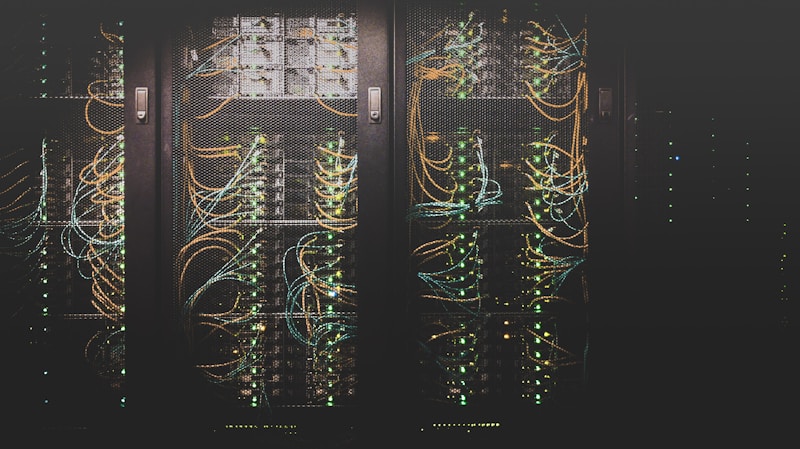
🏢 Centralized data centers like CrowdStrike’s require unprecedented reliability standards
🏁 Conclusion
The CrowdStrike outage of July 2024 will be remembered as one of the largest IT failures in history 📚. It cost billions 💸, disrupted millions of lives 👥, and exposed serious vulnerabilities in how we manage enterprise software 🏢🔓.
As individuals and organizations, we need to demand better testing 🧪, more resilient systems 💪, and greater transparency 👁️ from the companies that control our digital infrastructure 🏗️.
What do you think? Should the government regulate cybersecurity software more strictly? Should companies be held liable for outages like this? 💬 Let me know your thoughts! 🗣️✨
📚 Further Reading:
 Spanish
  English